
Aluminum with documented melt and cast origin for USMCA and Section 232
Since 2025, the origin of aluminum stopped being a customs checkbox and became a purchasing requirement. This page explains what Almexa documents, what the United States and USMCA ask for, and what you should demand from any supplier.
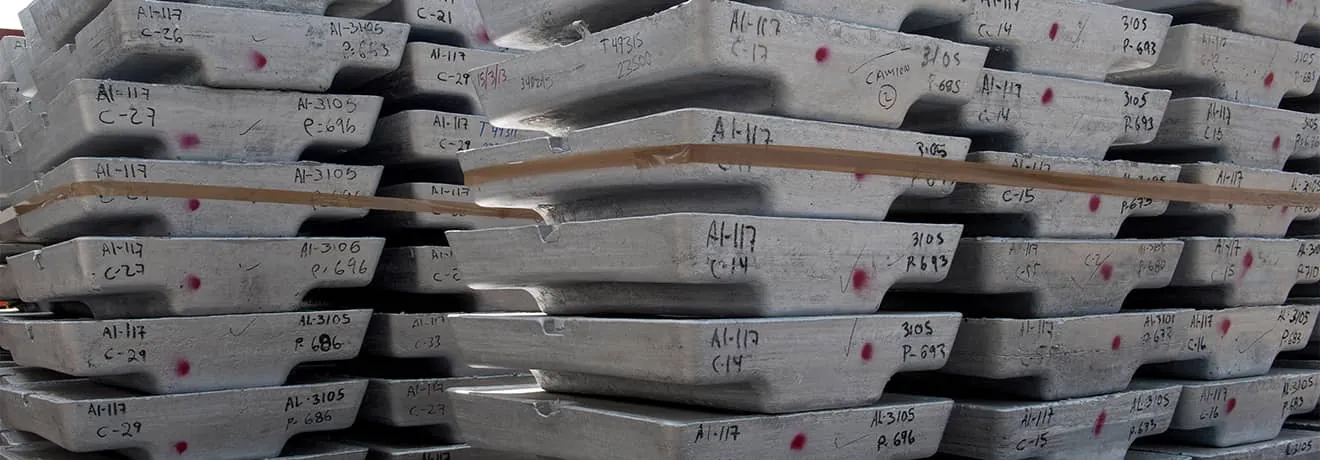
Almexa Aluminio melts, casts and rolls the metal at its plants in Cuautitlán Izcalli, Ecatepec and Veracruz, Mexico. Every lot ships with a mill test report recording chemistry and mechanical properties, and the plant can attest to the country of smelt and cast of the product. That is the basis for your part to count as USMCA-originating.
What changed in 2025 and 2026
| Measure | Effect on the buyer | Source |
|---|---|---|
| US Section 232 tariff on aluminum of up to 50%, even under USMCA | Automakers and their suppliers must declare the country of smelt and cast of the metal | Why Loyalty, 2026 tariff guide; Metalmecánica, 2026 |
| Mexican tariff package on countries without a trade agreement, 5% to 50%, from January 1, 2026 | Importing sheet and foil from Asia into Mexico costs more | Why Loyalty, 2026 tariff guide |
| Mexico's 2025 aluminum trade balance: US$10,571 million imported vs. US$2,709 million exported | Mexico consumes far more aluminum than it produces; demand is being met by imports | Clúster Industrial with INEGI data, September 17, 2026 |
What Almexa documents
- Mill test report per lot: alloy, chemistry, mechanical properties, temper.
- Plant statement that the product was melted, cast and rolled at Almexa's plants in Mexico, for your origin file.
- Lot traceability from casting to the delivered coil, circle or foil.
- System certificates: IATF 16949, ISO 9001 and FSSC 22000, with scope and validity.
What you should ask any aluminum supplier
- The country where the metal was smelted and cast, not just where it was slit or painted.
- The lot's mill test report, with alloy and temper.
- Who answers if the lot fails in your process, and how fast.
- Whether the price includes tariffs, ocean freight, handling and deposits.
Integrated process, from furnace to coil
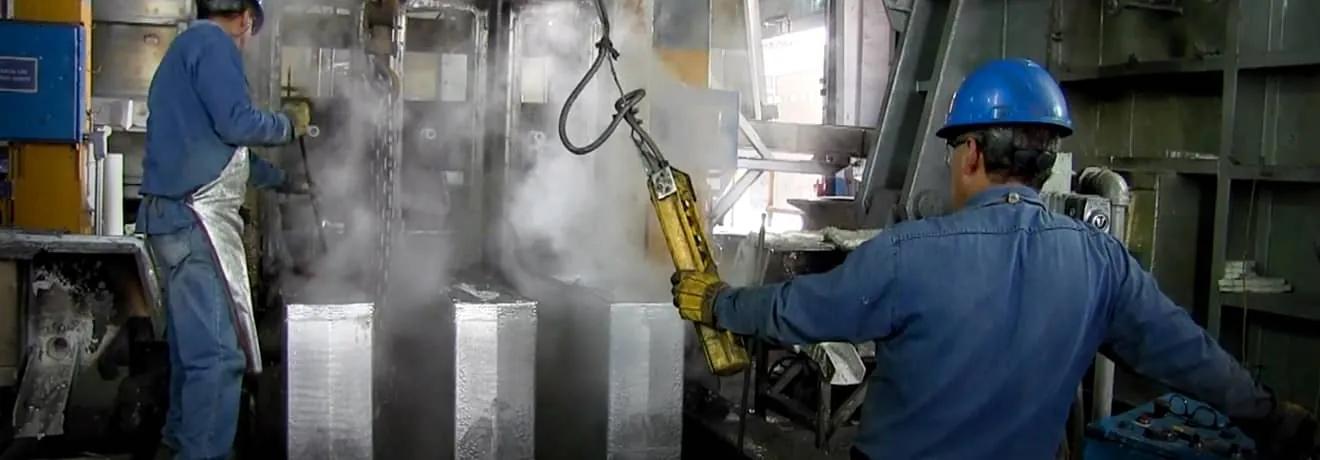
An integrated mill controls the metal from the furnace. A service center buys coil, slits it and resells it; its origin is that of the mill that made it, which may be on another continent. When your customer asks where the aluminum comes from, the short answer is: from the mill. In Mexico, the integrated flat-rolled mill is Almexa.
Frequently asked questions
How do I prove the country of smelt and cast of aluminum for US customs?
With evidence from the mill that smelted and cast the metal: the lot's mill test report and a plant statement. Almexa provides it with every order because the metal is melted and rolled in Mexico.
Does Almexa aluminum pay tariffs entering the United States?
Section 232 is applied by US customs according to product and origin; Almexa's documentation lets you declare that the metal was smelted and cast in Mexico. The exact application to your finished product is determined by your customs broker.
What is an aluminum mill test report?
A per-lot document recording the alloy, the chemistry measured at the plant and the mechanical properties of the material, signed by the mill's quality control.